Why is large-format retail becoming increasingly popular not only in growth areas, but also in infill locations?
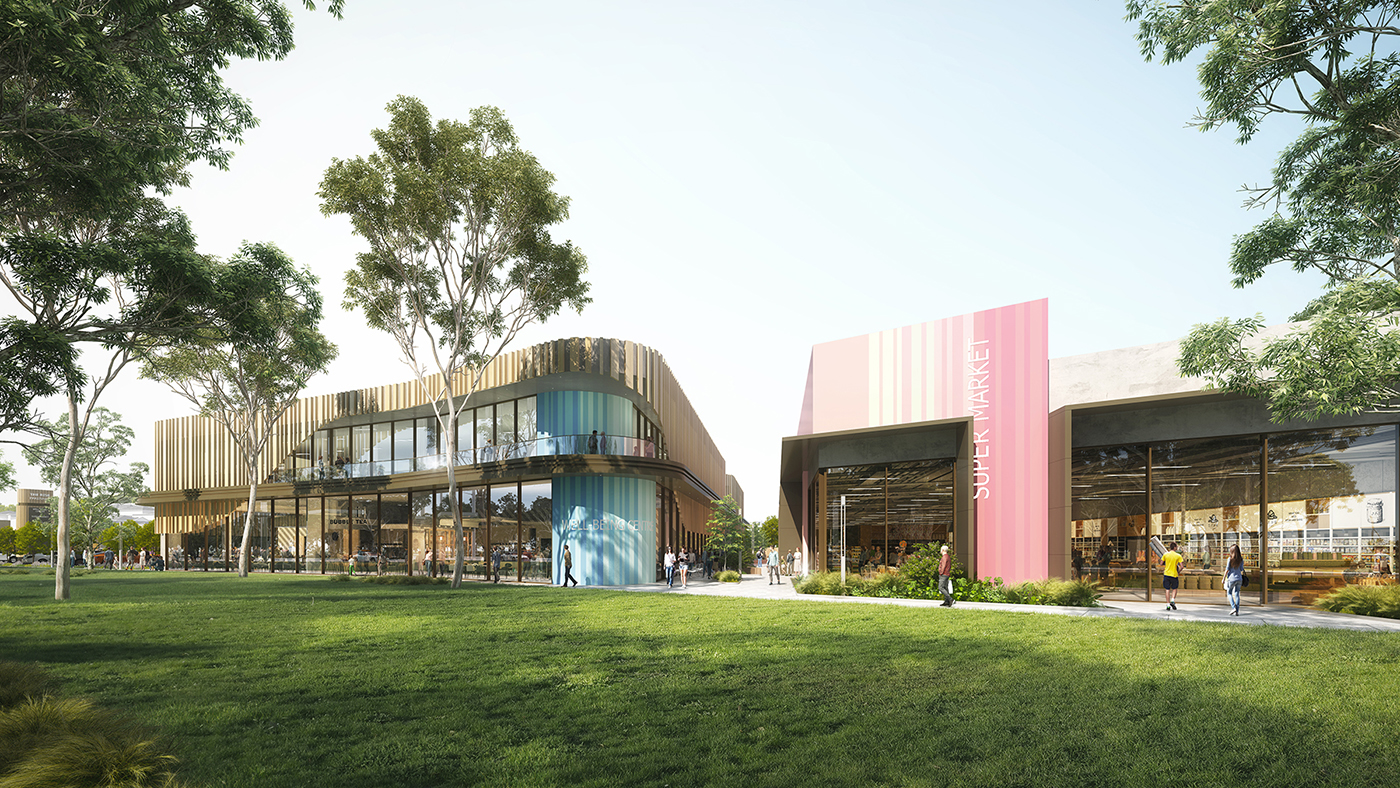
Large-format retail (LFR) emerged globally in the late twentieth century alongside suburban expansion, rising car ownership, and evolving consumer behaviour. Retailers progressively moved away from traditional main street formats toward larger-format stores that could provide broader product ranges, lower prices, and convenient parking. In countries such as the United States, retailers like Walmart and Costco pioneered the “big-box” model, enabled by advances in logistics, warehousing, and highway infrastructure.
Building on this global foundation, the LFR model gained strong traction in Melbourne from the 1980s onward through homemaker centres, bulky goods precincts, and standalone retail warehouses. Initial development was concentrated in outer suburban growth corridors, where larger land parcels were available and car-based access supported feasibility. More recently, however, the model has increasingly extended into infill locations. This shift has been driven by rising urban density, evolving supply chain expectations, and the growing role of LFR as a flexible, interim use for underutilised commercial sites awaiting longer-term redevelopment.
This broader evolution is also reflected in current market drivers shaping Melbourne’s growth. First, strong population growth and ongoing suburban expansion—particularly in Wyndham, Casey, and Melton—continue to generate large, expanding catchments that require convenient and accessible retail destinations, with LFR well suited to these greenfield areas. Second, relative to established activity centres and high-street retail strips, industrial and fringe commercial land remains more cost-effective, improving development feasibility and enabling efficient, large-format store provision along major arterial roads. Third, demand for bulky goods and experiential retail remains strong, with categories such as furniture, home improvement, appliances, and sporting goods performing best in physical showroom-style environments. Retailers such as Bunnings Warehouse, IKEA, and Harvey Norman continue to rely on these formats.
31-33 Hoddle Street, Richmond
VIC 3121, Australia 03 9817 6788
info@jesseantarchitects.com.au Sydney Level 49, 8 Parramatta Square
Sydney, NSW 2000, Australia Brisbane Level 38, 71 Eagle Street, Brisbane
Brisbane, QLD 4000, Australia Gold Coast Level 13, 50 Caville Avenue, Surfers Paradise
Gold Coast, QLD 4217, Australia Adelaide 2-3 Greenhill Road, Wayville
Adelaide, SA 5034, Australia
info@jesseantarchitects.com.au